Itsukushima Shrine
Miyajima-cho, Hatsukaichi, Hiroshima Prefecture, Japan Shinto
UNESCO-listed sea shrine on sacred Miyajima, internationally famous for its offshore torii gate.
鶴岡八幡宮 · Tsurugaoka Hachiman Shrine
Kamakura’s principal shrine, historically tied to the Minamoto clan, samurai rule and Hachiman worship.
Sacred Place Overview
Identity, documented context and sacred significance.
Tsurugaoka Hachimangu is the principal Shinto shrine of Kamakura and is deeply connected with the rise of samurai government in eastern Japan. The shrine’s history begins in 1063, when Minamoto no Yoriyoshi established a Hachiman shrine near Yuigahama using a divided spirit from Iwashimizu Hachimangu.
In 1180 Minamoto no Yoritomo, founder of the Kamakura shogunate, moved the shrine to its present location and made it a ritual and political centre of the new warrior capital. Hachiman came to be revered as a guardian of the Minamoto clan, the shogunate and the wider Kanto region. The shrine has experienced fires and repeated rebuilding, and important structures and treasures reflect patronage by later warrior governments.
Festivals such as yabusame horseback archery preserve cultural practices associated with Kamakura’s martial heritage. Tsurugaoka Hachimangu remains an active shrine where visitors pray, receive amulets and attend seasonal ceremonies. The precinct is generally free to enter, though museums or special areas may charge admission.
Historical claims about the shrine’s institutional role are well documented; devotional descriptions of Hachiman as granting victory or protection belong to Shinto belief and should not be presented as proven causal effects.
A concise view of the place, tradition, location and heritage details available for this Sacred Place.
Religious tradition, dedication and sacred associations connected with this place.
Documented history, sacred narrative and editorial synthesis are kept visibly separate.
Minamoto Yoriyoshi established the original shrine in 1063; Minamoto no Yoritomo moved it to the current site in 1180 as Kamakura became the center of warrior government.
Significance: The spiritual heart of Kamakura and one of Japan’s principal shrines associated with samurai history.
Documented worship, observances and practices where available.
Practical access information and visitor guidance for this Sacred Place.
Road, rail, air and local-access information where documented.
About 10 minutes on foot from Kamakura Station. | Nearest rail: Kamakura Station
Continue exploring places connected by tradition, geography, architecture, heritage or pilgrimage.
UNESCO-listed sea shrine on sacred Miyajima, internationally famous for its offshore torii gate.
One of the three Kumano Sanzan grand shrines and a central destination of the Kumano Kodo pilgrimage.
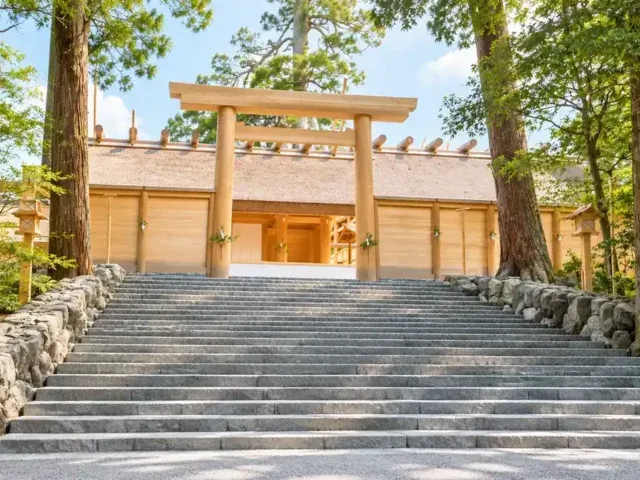
Japan’s most sacred Shinto sanctuary, dedicated to Amaterasu Omikami and central to the Ise pilgrimage tradition.
One of Japan’s oldest and most important Shinto shrines, associated with Okuninushi and traditions of divine gathering and matchmaking.
Found outdated or incorrect information? Send a factual correction for editorial review.
Transparency