Itsukushima Shrine
Miyajima-cho, Hatsukaichi, Hiroshima Prefecture, Japan Shinto
UNESCO-listed sea shrine on sacred Miyajima, internationally famous for its offshore torii gate.
日光東照宮 · Toshogu Shrine Nikko
Lavishly decorated UNESCO shrine and mausoleum complex enshrining Tokugawa Ieyasu.
Sacred Place Overview
Identity, documented context and sacred significance.
Nikko Toshogu in Tochigi Prefecture is a lavish Shinto shrine and mausoleum dedicated to Tokugawa Ieyasu, founder of the Tokugawa shogunate. Ieyasu died in 1616 and was enshrined at Nikko soon afterward. The shrine was substantially rebuilt and expanded under his grandson, Tokugawa Iemitsu, with the major seventeenth-century works completed in 1636.
The resulting complex is famous for exceptionally dense architectural decoration, coloured carving, lacquer and metalwork, including the Yomeimon gate and well-known animal carvings. Toshogu is one of the three principal institutions included in UNESCO’s Shrines and Temples of Nikko, together with Futarasan-jinja and Rinno-ji.
UNESCO highlights the complex as an outstanding expression of Edo-period religious architecture and its integration with the sacred forest landscape. The shrine also embodies the political-religious memorial culture of the Tokugawa house, in which Ieyasu was worshipped as Tosho Daigongen. That deified status is a matter of Shinto religious tradition; the historical facts concern his burial, posthumous enshrinement and state patronage.
Admission is charged for the main shrine precinct. Visitors should allow time for stairs and detailed viewing, and should follow current rules inside worship halls and near the mausoleum.
A concise view of the place, tradition, location and heritage details available for this Sacred Place.
Religious tradition, dedication and sacred associations connected with this place.
Documented history, sacred narrative and editorial synthesis are kept visibly separate.
Ieyasu was enshrined after his death in 1616. His grandson Tokugawa Iemitsu commissioned the lavish 1630s rebuilding that created the monumental complex seen today.
Significance: One of Japan’s most famous shrine complexes and a major monument of Tokugawa political-religious culture.
Elaborate early Edo shrine-mausoleum architecture · Shrines and Temples of Nikko · UNESCO World Heritage Site (component)
Practical access information and visitor guidance for this Sacred Place.
Road, rail, air and local-access information where documented.
Accessible by World Heritage bus from Nikko or Tobu-Nikko stations.
Continue exploring places connected by tradition, geography, architecture, heritage or pilgrimage.
UNESCO-listed sea shrine on sacred Miyajima, internationally famous for its offshore torii gate.
One of the three Kumano Sanzan grand shrines and a central destination of the Kumano Kodo pilgrimage.
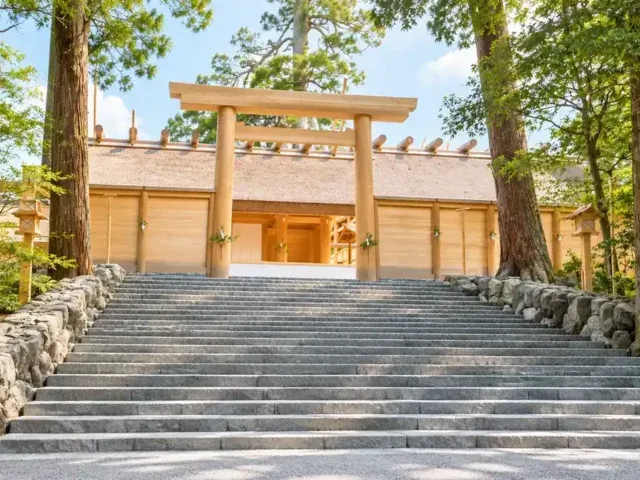
Japan’s most sacred Shinto sanctuary, dedicated to Amaterasu Omikami and central to the Ise pilgrimage tradition.
One of Japan’s oldest and most important Shinto shrines, associated with Okuninushi and traditions of divine gathering and matchmaking.
Found outdated or incorrect information? Send a factual correction for editorial review.
Transparency