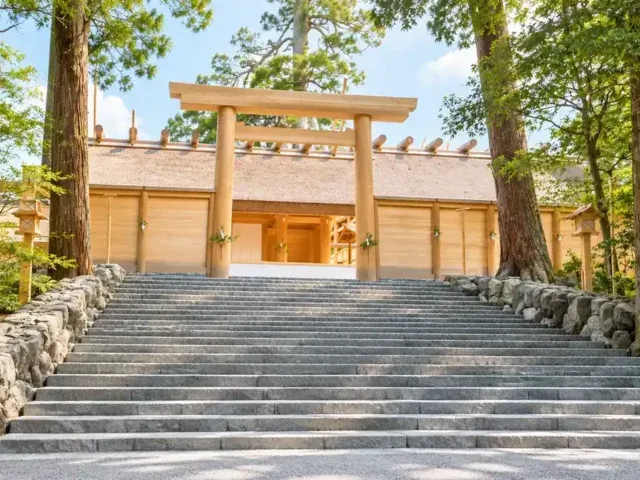
Itsukushima Shrine
Miyajima-cho, Hatsukaichi, Hiroshima Prefecture, Japan Shinto
UNESCO-listed sea shrine on sacred Miyajima, internationally famous for its offshore torii gate.
富士山本宮浅間大社 · Fujisan Hongu Sengen Grand Shrine
Head shrine of more than 1,300 Sengen shrines and a historic pilgrimage gateway for worship of Mount Fuji.
Sacred Place Overview
Identity, documented context and sacred significance.
Fujisan Hongu Sengen Taisha in Fujinomiya, Shizuoka Prefecture, is the head shrine of the Sengen network associated with worship of Mount Fuji. The shrine’s official history preserves ancient traditions in which rites were performed to pacify the sacred power of the volcano. It states that a major sanctuary was established at the present site in 806, while worship of the mountain and its deity is understood to be older.
The principal kami is commonly identified in Sengen tradition with Konohanasakuya-hime. The shrine became an important gateway for Fuji pilgrimage, and Tokugawa Ieyasu sponsored major rebuilding in the early seventeenth century. Its distinctive two-storey main sanctuary is associated with the architectural form known as sengen-zukuri.
Fujisan Hongu Sengen Taisha is one of the component sites of UNESCO’s Fujisan, Sacred Place and Source of Artistic Inspiration, which recognizes the mountain’s long religious and cultural influence. Narratives that volcanic eruptions were calmed through divine appeasement should be presented as Shinto interpretation, while the historical record shows sustained ritual responses to the mountain’s danger and sacred status. The main precinct is free to enter and remains an active shrine used for prayer, festivals and rites connected with Mount Fuji.
A concise view of the place, tradition, location and heritage details available for this Sacred Place.
Religious tradition, dedication and sacred associations connected with this place.
Documented history, sacred narrative and editorial synthesis are kept visibly separate.
JNTO describes the shrine’s origins as ancient and notes surviving structures built under Tokugawa Ieyasu in the early 17th century.
Shrine tradition connects its origin with rites intended to pacify the divine power of Mount Fuji during periods of volcanic activity. This is a religious interpretation of natural events.
Significance: Head shrine of the Sengen network and historically a starting point for Mount Fuji pilgrimage.
Sengen-zukuri main sanctuary form · Fujisan, sacred place and source of artistic inspiration · UNESCO World Heritage Site (component)
Documented worship, observances and practices where available.
Practical access information and visitor guidance for this Sacred Place.
Road, rail, air and local-access information where documented.
About 15 minutes on foot from Fujinomiya Station. | Nearest rail: Fujinomiya Station
Continue exploring places connected by tradition, geography, architecture, heritage or pilgrimage.
UNESCO-listed sea shrine on sacred Miyajima, internationally famous for its offshore torii gate.
One of the three Kumano Sanzan grand shrines and a central destination of the Kumano Kodo pilgrimage.
Japan’s most sacred Shinto sanctuary, dedicated to Amaterasu Omikami and central to the Ise pilgrimage tradition.
One of Japan’s oldest and most important Shinto shrines, associated with Okuninushi and traditions of divine gathering and matchmaking.
Found outdated or incorrect information? Send a factual correction for editorial review.
Transparency