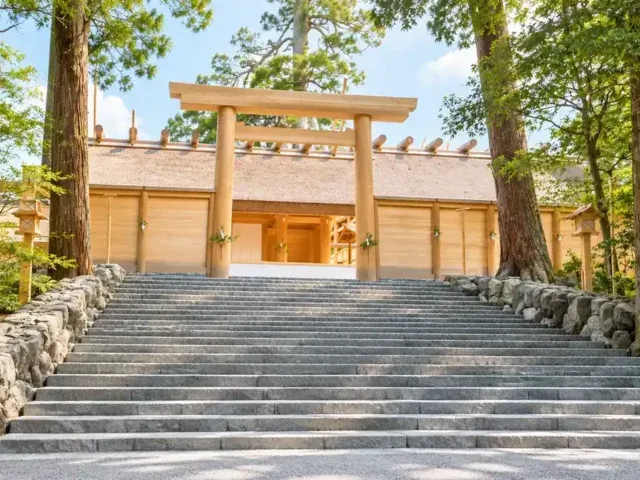
Kumano Hongu Taisha
Hongu-cho, Tanabe, Wakayama Prefecture, Japan Shinto
One of the three Kumano Sanzan grand shrines and a central destination of the Kumano Kodo pilgrimage.
嚴島神社 · Itsukushima-jinja · Miyajima Shrine
UNESCO-listed sea shrine on sacred Miyajima, internationally famous for its offshore torii gate.
Sacred Place Overview
Identity, documented context and sacred significance.
Itsukushima Shrine stands on Miyajima in Hiroshima Prefecture and is one of Japan’s most celebrated Shinto sacred sites. Shrine tradition dates its establishment to 593, while the architectural form that made the site famous was developed on a grand scale under the patronage of Taira no Kiyomori in the twelfth century.
The shrine is dedicated to three female deities, Ichikishimahime, Tagorihime and Tagitsuhime, who are linked in Shinto tradition with maritime protection and the well-being of the nation. Buildings are raised over tidal flats and connected by corridors, creating the visual effect that parts of the complex float when the tide is high.
The famous offshore torii is part of this sacred seascape. UNESCO inscribed Itsukushima Shinto Shrine as a World Heritage property for the exceptional relationship between architecture, landscape and religious meaning. Origin stories concerning divine guidance in choosing the site belong to shrine tradition and should be distinguished from documentary history.
The shrine remains active, with regular rites and festivals, while also receiving very large numbers of visitors. Admission is charged for the main shrine precinct. Tides significantly change the appearance of the site, so visitors who want particular views should consult local tide information in advance.
A concise view of the place, tradition, location and heritage details available for this Sacred Place.
Religious tradition, dedication and sacred associations connected with this place.
Documented history, sacred narrative and editorial synthesis are kept visibly separate.
The shrine is traditionally dated to 593 and was substantially rebuilt and expanded under Taira no Kiyomori in the 12th century.
Miyajima itself was historically regarded as sacred, influencing the decision to build shrine structures over the water rather than disturb the island’s sacred ground.
Significance: One of Japan’s most internationally famous sacred sites and a major pilgrimage/tourist destination.
Tidal shrine architecture with vermilion corridors and offshore torii · Itsukushima Shinto Shrine · UNESCO World Heritage Site
Documented worship, observances and practices where available.
Practical access information and visitor guidance for this Sacred Place.
Road, rail, air and local-access information where documented.
Train to Miyajimaguchi, ferry to Miyajima, then walk about 10 minutes.
Crowds: Very busy during peak tourist seasons; tides significantly change the visual experience.
Continue exploring places connected by tradition, geography, architecture, heritage or pilgrimage.
One of the three Kumano Sanzan grand shrines and a central destination of the Kumano Kodo pilgrimage.
Japan’s most sacred Shinto sanctuary, dedicated to Amaterasu Omikami and central to the Ise pilgrimage tradition.
One of Japan’s oldest and most important Shinto shrines, associated with Okuninushi and traditions of divine gathering and matchmaking.
Tokyo’s major imperial Shinto shrine, set within a vast man-made forest beside Harajuku.
Found outdated or incorrect information? Send a factual correction for editorial review.
Transparency